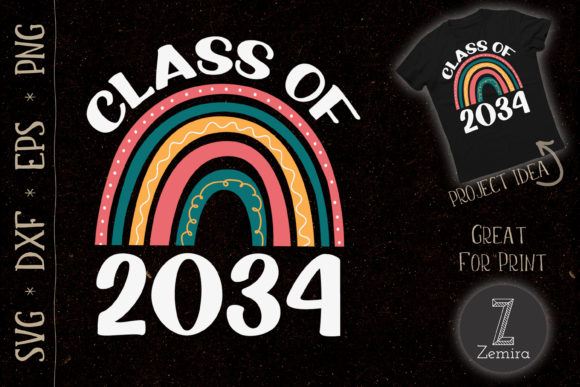
Evaluating the Rainbow School Student Design for Real Embroidery Projects
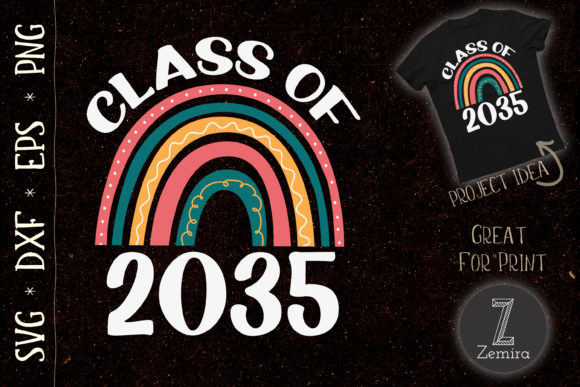
When a new embroidery file lands in my library, my first question isn't just about its technical specs. It’s about its potential. How will it look after stitching? What kind of project will it elevate? Today, I’m looking at CLASS of 2035 Rainbow School Student from that very practical angle, thinking through how it would perform in the hands of makers, crafters, and small business owners.
A First Impression of Color and Celebration
The design immediately strikes a chord of cheerful optimism. The rainbow theme isn’t just decorative; it creates a mood of celebration and future-focused joy. The layout, with “CLASS of 2035” as the anchor, feels balanced and intentional. This isn’t a overly dense or frantic graphic; its personality is clean, playful, and perfectly suited for commemorative projects. It naturally belongs to that category of embroidery that marks a milestone—a future graduation, a birth year for a nursery item, or a hopeful gift.
The Natural Home for This Embroidered Design
In my mind, I instantly picture it on a soft, cotton baby blanket or a toddler’s sweatshirt, announcing their future class year with a burst of color. It would be a beautiful, personalized gift for a newborn. But its application is wider. Imagine this design embroidered on the front of a canvas tote bag for a teacher, or as a large, centered motif on a comfy pillow for a student’s dorm room. The theme lends itself to custom apparel, holiday gifts, and small shop merchandise that taps into that sentimental, forward-looking niche.
Performance in Real-Life Embroidery Situations
Let’s walk through a real scenario. Say you’re an Etsy seller preparing a custom embroidered baby sweatshirt for a client whose child was born in 2023. You’re thinking about stitch clarity, fabric choice, and final presentation. CLASS of 2035 Rainbow School Student, with its clear lettering and distinct rainbow elements, would translate well into satin stitches for the text and fill stitches for the rainbow bands. On a mid-weight sweatshirt fabric with proper stabilizer, the design would hold its shape without puckering, provided the stitch density is well-calibrated in the file.
For a boutique product like an embroidered linen tea towel or apron, the design offers a decorative accent that’s both personal and stylish. As a patch, it could be applied to a backpack or cap, though the curved surface of a cap requires careful hooping and potentially a reduction in size to maintain clarity on the smaller, rounded area. On darker fabrics, the rainbow’s color contrast becomes crucial—you’d need to test thread colors to ensure the vibrant feel survives against a navy or black background.
Where Careful Application is Key
This is a design that commands attention through its color blocks and lettering. Therefore, on very small hoop sizes, the detail level—particularly the smaller numbers and rainbow segments—could lose definition if the file isn’t optimized for tiny scaling. Embroidering it on thin or stretchy fabric, like a fine t-shirt, would demand excellent stabilizer technique to prevent distortion. The “2035” numbering, depending on its size in the original file, is an area to inspect closely; tiny, dense satin stitch lettering can sometimes blur.
For products destined for frequent washing, like baby clothes or kitchen towels, the integrity of the stitches and the thread colorfastness will be the real test of durability. This isn’t a criticism of the design itself, but a universal note for any embroidery project: the file is a blueprint, and the final finished product depends on your execution.
Impact on Your Craft Business and Customer Trust
Using a design like this effectively can significantly boost the visual appeal of your handmade products. Its cheerful, clear aesthetic enhances stitching clarity, which in turn increases perceived product value. A customer looking at a beautifully embroidered baby blanket with this design sees a thoughtful, well-made item. That builds customer trust and elevates your handmade presentation.
For brand consistency, if your shop specializes in celebratory or nursery decor, this embroidery design fits a cohesive theme. Its giftability is high—it feels personal and specific without being overly generic. For commercial embroidery projects, such as a small batch of tote bags for a local school’ fundraiser, the design offers recognition and a professional, polished look that engages buyers.
Practical Notes for the Working Designer
Before you commit this design to a client project or your next craft fair product, here’s my standard advice. Always test the design on scrap fabric first. Use the same fabric and stabilizer you plan for the final project. This reveals everything: thread color contrast, stitch density issues, and whether small details like the “2035” numerals stitch out cleanly.
Check how it looks in both black and white mockups or on light and dark fabric backgrounds digitally. This helps visualize its versatility. Remember, the product description notes it includes an SVG and a DXF file, common for machine use, but as a prudent embroidery designer, you must confirm the specific hoop size requirements, stitch count, and thread color list from the file itself or the seller before starting. Also, always confirm the licensing terms. Is it cleared for commercial use, allowing you to sell the embroidered tote bags or sweatshirts? Never assume.
When applied with care to the right product—a baby item, a personalized gift, a boutique apron—CLASS of 2035 Rainbow School Student has the potential to become a standout element in your embroidery portfolio. Its value isn’t just in the digital file, but in the practical, joyful, and well-crafted project it helps you create.