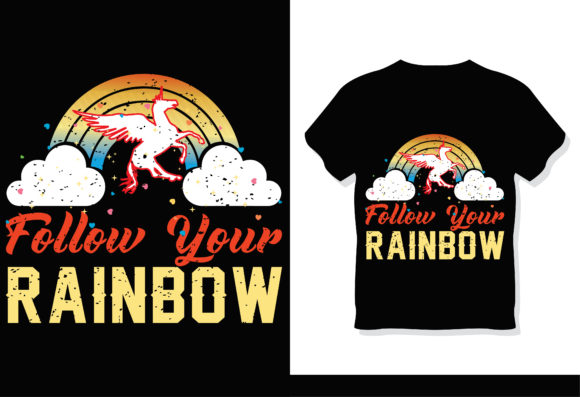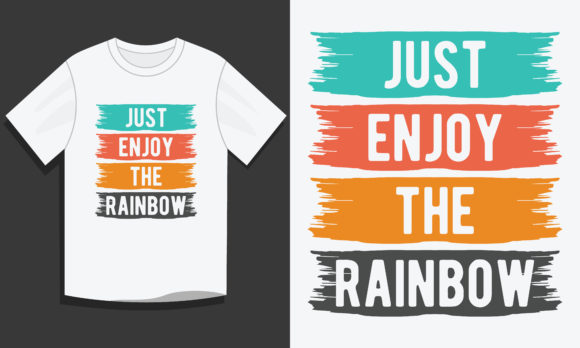
Rainbow T-Shirt Design: From Digital File to Embroidered Reality
As a designer who translates digital files into physical, stitched products, my first question with any new design is always: how will this live in the real world? When I opened the ZIP file for the Rainbow T Shirt, No Rain No Flowers design, I wasn’t just looking at graphics; I was visualizing it on fabric, under a hoop, and ultimately, on a finished product. This is a review from that practical perspective.
The First Impression: A Design That Speaks Quietly but Clearly
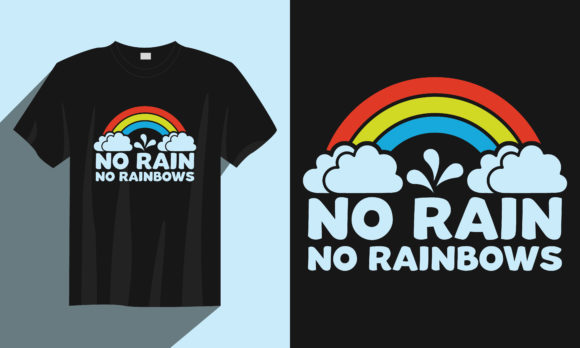
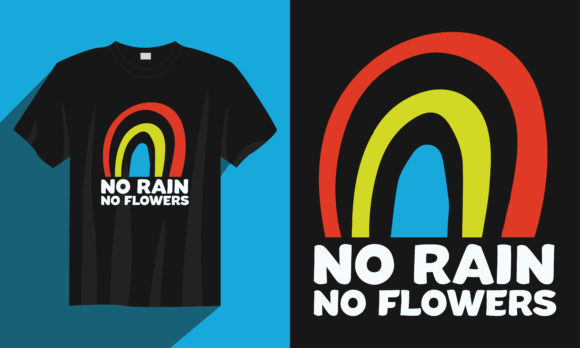
The core message, no rain no flowers, wrapped within a simple rainbow arc, creates an immediate mood of optimism and resilience. It’s not loud or overly decorative; its strength is in its clear, straightforward layout. The level of detail feels balanced for embroidery—the elements are defined without being overly intricate, which is a crucial starting point. It has a visual personality that’s hopeful and modern, leaning towards a giftable, heartfelt aesthetic rather than a purely decorative one. It naturally belongs to projects meant to convey a personal message: a custom sweatshirt for a friend going through a tough time, a tote bag for a gardening enthusiast, or a subtle statement piece on a baby’s blanket.
Where This Design Finds Its Perfect Home
In practical embroidery situations, this design shines on items where the message is central. Think of a soft, embroidered patch applied to a denim jacket, or stitched directly onto a high-quality cotton tote bag for a small shop. It would work beautifully on the corner of a pillow cover in a cozy reading nook, or as a singular, meaningful accent on a tea towel or apron. For small business merchandise or Etsy listings, it lends itself well to personalized products—perhaps a custom apparel item with a name added below the rainbow. Its tone makes it a strong candidate for wedding gifts (for the couple who weathered a storm), holiday gifts that inspire, or boutique branding for a positive, wellness-focused shop.
It also performs well in digital product previews and printable mockups, thanks to the clean vector files provided. For fellow digital embroidery file sellers, it’s a versatile design asset that clients can easily imagine on their own projects.
Scenarios Where a Little More Caution is Needed
While versatile, some applications require extra forethought. On very small hoop sizes, the lettering could become tight; you’d need to ensure the stitch density and running stitch details remain clear. On highly textured fabrics like certain linens or stretchy fabric like some performance knits, the clean lines of the rainbow might need robust stabilizer to stay sharp. Embroidering on dark fabric will require careful thread color contrast planning—a bright rainbow on black can look stunning, but the thread palette needs to be chosen deliberately.
Applying it to curved surfaces like caps means checking the design’s orientation and how the arc fits the curve. The design isn’t overly dense, but on thin fabric like a fine t-shirt, proper stabilization is key to prevent puckering. For products that need frequent washing, such as baby clothes or kitchen towels, using durable threads and a secure stitch style will ensure the message lasts.
The Stitched Result: How It Elevates a Finished Product
When this design is well-executed, it directly boosts visual appeal through its clean, recognizable symbolism. The stitching clarity of the simple shapes and text translates to high perceived product value. For a customer, a neatly embroidered item with this positive message builds customer trust and enhances the handmade presentation—it feels considered and meaningful. For a craft business, using it consistently on a line of products can aid brand consistency. Its inherent giftability and emotional recognition (no rain no flowers is a known phrase) can drive buyer engagement. In short, it moves a product from a generic item to a piece with a story, which is the heart of professionalism in the handmade space.
Practical Notes from the Hoop Side
Before you load this file for a real embroidery project, here’s my standard checklist. Always test the design on scrap fabric first, using the same material and hoop size as your final project. This lets you review stitch density and inspect small details like the transitions in the rainbow arc and the text spacing. Check thread color contrast by testing it in black and white mockups mentally, and actually compare light and dark fabric backgrounds in your test.
Use the proper stabilizer for your chosen fabric texture. Since the product listing mentions it’s part of Print Templates and Graphics, and includes EPS, SVG, PDF, and JPEG files, confirm its compatibility with your embroidery software and machine. Crucially, check whether the design works for both personal and commercial projects by reviewing the provided license or terms. Always confirm licensing before selling finished items or digital products. The files are provided, but the rights to use them for commercial embroidery need to be clear.
The Rainbow T Shirt, No Rain No Flowers design is a strong, sentiment-driven graphic. Its real power isn’t in the ZIP folder, but in what you, as a maker, do with it. Stitch it thoughtfully onto the right product, and it will carry that optimistic message far beyond the digital file into someone’s daily life.